
Live Channel Catfish (20)- 2-4" Pond Fish
- Shipping:
- Calculated at Checkout
Bulk discount rates
Below are the available bulk discount rates for each individual item when you purchase a certain amount
| Buy 3 or above | and get $5.00 off |


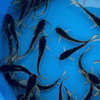


Channel Catfish for Sale — 20 Live Fish for Pond Stocking
Pond Stocking Package includes (20) 2-4" live channel catfish. These fish are the channel catfish species Ictalurus punctatus. Channel catfish are olive-gray to slate blue with a white belly, scattered dark spots on younger fish, and a deeply forked tail.
Channel catfish can grow 1-2 lb per year. Growth rates vary greatly on food source and water quality.
How many channel catfish should I stock in my pond?
Channel catfish are a supplemental species in a bass and bluegill pond. They feed on a different part of the food chain than bass, so they add fish without taking food away from your predator population.
| Pond Size | Catfish | ||
|---|---|---|---|
| 1/4 acre pond | 15-25 channel catfish | ||
| 1/2 acre pond | 25-50 channel catfish | ||
| 1 acre pond | 50-100 channel catfish | ||
| 2 acre pond | 100-200 channel catfish |
Ponds managed for catfish with a regular feeding program can support higher numbers. Ponds with aeration can carry more fish than ponds without.
Why stock channel catfish vs. bullhead catfish?
Many pond owners end up with bullhead catfish by accident. Bullheads arrive in bait buckets or wash in from a flooded creek. Channel catfish are the better choice for a managed pond for four reasons.
Population control: Bullheads spawn on open pond bottoms and guard their young in dense schools. Bass have a hard time thinning them out. Within a few years a small number of bullheads becomes thousands of stunted fish competing for the same food. Channel catfish need an enclosed cavity to spawn - a hollow log, a section of pipe, or a nest box. Most ponds do not have this, so channel catfish rarely reproduce. You control the population instead of the fish controlling it.
Water clarity: Bullheads root through bottom sediment as they feed. This suspends silt, reduces water clarity, uproots plantings, and releases stored nutrients back into the water column where they fuel algae growth. Channel catfish feed throughout the water column and do not muddy pond water.
Size: An average pond bullhead stays under 1 lb. Channel catfish commonly reach 5-15 lb in a managed pond.
Feed response. Channel catfish train to floating pond fish food within a week or two of stocking. Bullheads are far less responsive to a feeding program.
Bullheads are also difficult to remove once established.
What is the best time to stock a fish pond?
Ideal times to stock a pond are spring and fall when water temperatures are cooler. Fish can be stocked in summer as well, but warmer water can be more stressful on new fish.
Do channel catfish need to be fed?
No, but feeding makes a significant difference in growth. Channel catfish survive on aquatic insects, crayfish, snails, small fish, and organic matter. Adding a floating pellet feed once daily during the warm months produces faster growth and heavier fish.
How will pond fish be delivered?
Fish arrive in insulated boxes. Inside of the box is an ice pack to maintain the water temperature. Fish are double bagged in water with oxygen and treatment to reduce stress. This treatment makes water appear green-blue.
Shipment Days: Mon-Thurs
Get prepped for pond stocking - here are a few things to consider ahead of ordering live fish:
- Test pond water to ensure conditions are ideal for new fish. While there may already be fish living in the water, there may be some issues that would stress young fish.
- Provide habitat and cover for young fish. For fish to thrive (and avoid quick predation upon stocking) ensure fish have ample habitat. This can include shoreline plants that grow into the water, rock piles, habitat structures, etc.
- Does your pond have an adequate food source to sustain the fish population? A brand new pond, for example, may not have enough minnows, aquatic insects, and other invertebrates to maintain the fish population. Game Fish feed can be used to supplement fish with the diet they need to grow properly.
- Catfish respond to a feeding program faster than almost any other pond fish. Feed at the same spot on the bank each evening and they will come to the surface for it within a couple of weeks.
Related Products
Related Products


BigCatch Catfish Food 20 lb

Pond Fish Food Probiotic Blend
