
Trophy Tree Kit by Mossback
- Shipping:
- Free Shipping



Quick Navigation: Overview | How It Works | Best Use | How to Use | Limitations | FAQs
Fish Habitat Overview
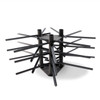
The MossBack Trophy Tree Kit (4009 – 3 Post Kit) is a deep-water fish habitat structure designed to create dense vertical cover in ponds and lakes. This kit assembles into a multi-post “tree” configuration that mimics submerged timber, providing fish with secure holding areas and defined ambush points.
The 3-post configuration increases vertical complexity and creates a concentrated structure footprint, making it suitable for strategic deep-water placement where you want fish to consistently relate to a known location.
How This Fish Habitat Works
Fish naturally relate to vertical structure in deeper water. The Trophy Tree configuration functions by:
- Creating strong vertical presence: Upright posts extend the structure through the water column, giving fish reference points at multiple depth levels.
- Forming ambush cover: Branching elements provide concealment for predator species targeting baitfish.
- Establishing a defined holding zone: In open or featureless basins, concentrated vertical cover gives fish a consistent structure to orient to.
- Improving habitat diversity: Adding timber-style structure increases usable space in ponds lacking natural wood or rock.
Best Use Cases
- Deep-water structure placement away from shoreline pressure.
- Drop-offs and ledges where fish transition between shallow feeding zones and deeper holding areas.
- Main-lake points or humps that benefit from added vertical cover.
- New pond builds where long-term habitat planning is part of fishery design.
How to Use This Product
1) Select strategic placement
- Identify contour changes, depth transitions, or known fish travel routes.
- Avoid random mid-basin placement without structural context.
2) Assemble the 3-post configuration
- Follow MossBack assembly instructions to secure all trunk and branch components properly.
- Confirm all fasteners are tightened before deployment.
3) Deploy in deep water
- Lower the structure carefully to maintain upright orientation.
- Confirm whether the kit is self-weighted or requires additional anchoring per manufacturer guidelines.
- Ensure the base makes stable contact with the pond bottom to prevent shifting.
4) Mark and verify location
- Use GPS waypoints or sonar to record placement for consistent relocation.
- Verify upright positioning if possible after installation.
Limitations & Misuse Scenarios
- Does not improve water quality: Habitat structures attract fish but do not correct oxygen deficiencies, algae blooms, or nutrient imbalances.
- Poor placement reduces effectiveness: Installing away from travel routes or depth transitions can limit consistent fish use.
- Improper anchoring: If not stabilized properly for your depth and bottom type, the structure may shift or tip.
- Over-concentration: Installing too many units in one area may limit coverage across the entire pond or lake.
Frequently Asked Questions
Is this designed for shallow or deep water?
The Trophy Tree 3-Post Kit is designed for deep-water placement where vertical structure is needed. It is best used along drop-offs, points, and deeper holding areas.
Will fish use it immediately?
In some cases, fish will relate to new structure quickly, particularly if placed along existing movement routes. In other cases, utilization increases over time as fish become accustomed to the new habitat location.
Do I need to anchor this kit?
Deployment method depends on manufacturer specifications and bottom conditions. Always follow MossBack guidance for proper deep-water installation and stability.
How many should I install?
Quantity depends on pond size, existing cover, and management goals. Distributing multiple units across key structural areas often creates more consistent habitat coverage than concentrating all units in a single location.
Is this safe for fish?
When properly assembled and deployed according to manufacturer guidance, fish habitat structures provide protective cover and ambush points. Stability and correct installation are essential for long-term performance.
Related Products
Related Products

Trophy Tree Fish Habitat by Mossback
Root Wad Kit by Mossback

Safe Haven Kit by Mossback
